
Moving to Richmond, VA?
A Native Richmonder’s Honest Home Buyer Guide
Here’s what locals wish you knew -
and how to choose the right area before buying in Richmond.
So… you’re thinking about moving to Richmond? 🤔
Before you pack the boxes and start romanticizing river sunsets and brick sidewalks, let this native Richmonder give you the real story.
I love this city - truly. But every place has quirks, and I want you to arrive here like a local, not a wide-eyed tourist with rose-colored glasses.
If you’re relocating to the Richmond Metro Area to buy a home, this guide will help you understand what life here is actually like — the good, the complicated, and the stuff no one tells you until it’s too late.
Is Richmond, VA a Good Place to Move?
(Short Answer: Yes… With Context)
Richmond is one of those cities people fall in love with after they live here.
Buyers moving to Richmond are usually looking for:
More space without big-city prices
Shorter commutes (yes, really)
Distinct neighborhoods with real personality
A slower pace — but not sleepy
What surprises most newcomers is that Richmond isn’t one vibe. It’s a patchwork of very different areas, and loving Richmond often comes down to choosing the right one for your lifestyle.
Local Warnings Every Home Buyer Should Know Before Moving to Richmond
You’ll Probably Need a Car 🚗
We’ve got walkable pockets - and they’re lovely - but Richmond is spread out. Outside a few historic neighborhoods and downtown, driving is just part of daily life.
The upside?
Commutes are short by big-city standards. No two-hour gridlock here. Just be prepared to learn a maze of interstates, parkways, and oddly named roads locals swear make sense.
Summer Is Hot. Like… Humid Hot 😅
Mid-Atlantic summers don’t play around. July and August bring 90-degree days with humidity that sticks to you.
Locals survive with:
Pools and splash pads
Evening walks
Floating the James River at sunset
You’ll adjust. Just don’t underestimate it your first year.

Allergies Are Not a Joke 🤧
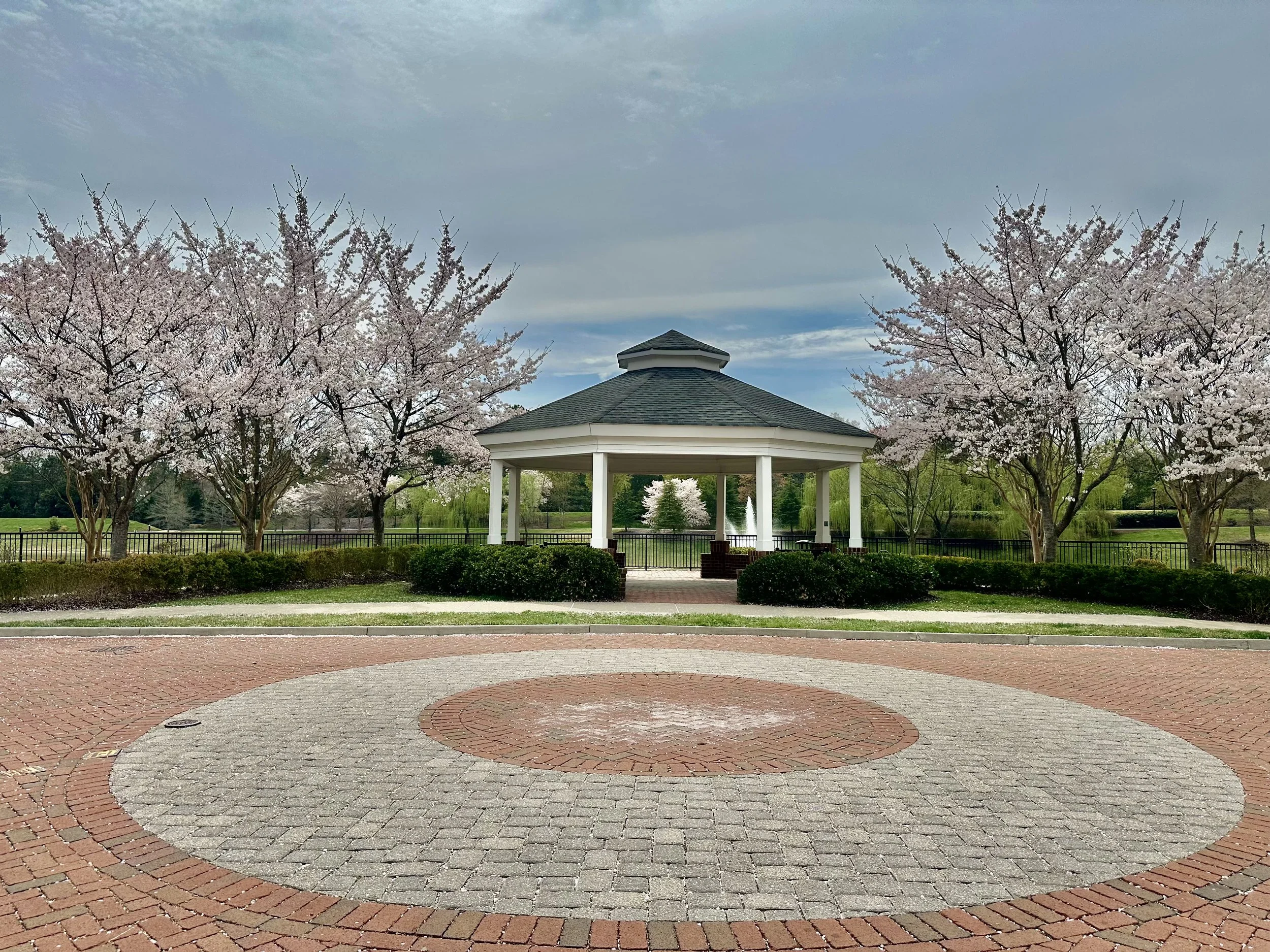
Spring is stunning - dogwoods, azaleas, cherry blossoms - and a layer of yellow pollen on everything.
Every Richmonder has a pollen story. If you have allergies, come prepared. This is not the place to “see how it goes.”
Snow = Mild Panic Mode ❄️
We don’t get much snow… but when we do, everything slows down fast.
Schools close. Grocery shelves empty (bread, milk, eggs - tradition). Roads get slick because snow equipment is limited.
Pro tip: embrace the chaos and enjoy the unexpected day off.
This Is Not a 24/7 City 🌙
If you’re coming from NYC, DC, or somewhere with midnight diners — heads up.
Many restaurants close by 9 or 10 PM. Late-night options exist, but they’re limited.
The trade-off? Better sleep, calmer evenings, and a food scene that punches above its weight during normal hours.
“Richmond is still affordable compared to DC/NY, but the secret is out. Popular areas move fast—and pricing varies block to block.”
Cost of Living & Home Prices In Richmond VA: The Honest Version
How affordable is Richmond, VA for home buyers?
Richmond is still affordable compared to major metros, but the “secret” is out.
Here’s what relocating buyers should know:
Home prices have risen noticeably in the past few years
Popular neighborhoods move fast
Sticker shock happens if you’re expecting 2010 prices
That said, buyers often get:
More house
More yard
More breathing room for their budget than they would in DC, NY, or much of the Northeast.
The key is knowing where value still exists — and where it doesn’t.
City vs. Suburbs: Choosing Where To Live Near Richmond
“Moving to Richmond” can mean very different things.
Richmond City: walkable areas, historic homes, urban feel
Surrounding counties: newer neighborhoods, larger homes, highly rated schools
Fun fact that trips people up all the time:
A house with a “Richmond” address might not be in Richmond City at all — taxes, schools, and services can vary wildly by location.
This is why neighborhood guidance matters more than ZIP codes
Best Areas to Live When Moving to Richmond
Richmond isn’t one-size-fits-all. The best area to live depends on commute needs, schools, lifestyle, and how you want your day-to-day life to feel. These are the big decision-makers for most relocation buyers.
Schools
School quality varies by county and even by neighborhood. Some areas are known for strong public options and community involvement, others less so. For additional information, check out School Resources.
Commutes
Traffic exists — but it’s manageable. River crossings, highways, and where you live relative to work all matter more than distance on a map.
Lifestyle
Richmond supports:
Urban living
Suburban family neighborhoods
Quiet, semi-rural settings just outside the metro
The trick is aligning how you live with where you buy.
This video walks through how locals compare Richmond neighborhoods when relocating.




Relocation Home Buying In Richmond
How long does it take to buy a home when moving to Richmond?
Most relocation buyers close within 30–60 days once under contract, but successful moves usually start with neighborhood planning before touring homes.
Successful moves tend to follow this rhythm:
Clarify priorities (budget, commute, lifestyle)
Narrow neighborhoods before house hunting
Tour strategically (virtual + in-person)
Move quickly when the right home appears
Coordinate closing timelines with your move
Relocating doesn’t have to be stressful — but it does require local insight.

Frequently Asked Questions About Moving to Richmond, VA
-
Richmond’s cost of living is lower than many major metros, especially compared to DC and the Northeast. Housing costs vary by county and neighborhood, which is why location matters so much for relocating buyers.
-
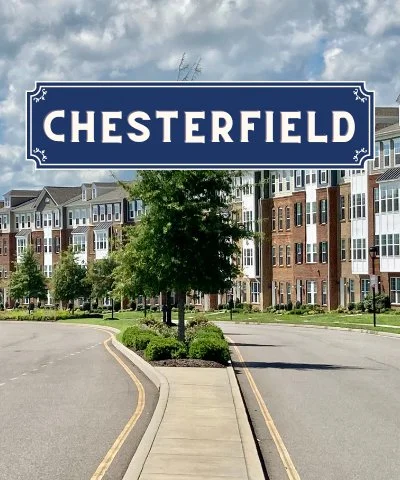
Many families relocating to Richmond consider areas in Henrico and Chesterfield counties for schools, neighborhoods, and amenities. The “best” option depends on commute, budget, and lifestyle priorities.
-
Like any metro area, safety varies by neighborhood. Many Richmond-area communities are quiet, family-friendly, and highly sought after by relocating buyers.
-
Most relocation purchases close within 30–60 days once under contract, though planning often starts earlier to narrow neighborhoods and pricing.
-
Yes — especially for buyers looking for space, community, and balance.
-
That depends on timing, job stability, and comfort with the area. Many buyers purchase right away with the right local guidance and neighborhood research.
-
Choosing a neighborhood based on reputation instead of lifestyle fit, or underestimating commute patterns.
-
Commute patterns, neighborhood differences, and how much location affects day-to-day lifestyle.
Everything you need to know before moving to Richmond, Virginia
Why Work With a Local Richmond Realtor Who Lives Here

Moving to a new city is hard - especially when every neighborhood looks “close” on a map. Richmond isn’t one market; it’s dozens of distinct communities, each with its own rhythm, price points, school options, and commute realities.
I was born and raised in Richmond and have never lived anywhere else. As a local who lives and works here, I help relocation buyers cut through the noise, compare areas honestly, and avoid the common mistakes that don’t show up in online searches. My goal isn’t to sell you a house - it’s to help you land in the right place for how you actually live.
Add these as a simple bullet list right under the paragraph:
Neighborhood-by-neighborhood guidance (not ZIP-code guesses)
Virtual tours and relocation-friendly showing strategies
Honest conversations about schools, commutes, and lifestyle fit
Strong negotiation and local market insight for out-of-area buyers
I don’t just work here - this is home.
I’ve helped many buyers relocate to Richmond, and my goal is always the same: helping you land in the right place, not just any place.
Thinking About Moving to Richmond, VA?
If you’re exploring a move and want honest guidance (not pressure), I’d love to help.
👉 Schedule a relocation consultation
👉 Explore Richmond neighborhoods
👉 Watch relocation videos on YouTube
Consider yourself warned - and welcomed. 💛